Last updated: NEW_ARTICLE_DATE | By JW RESEARCH SUPPLY Singapore
Laboratory safety is not a checkbox — it is a daily operational discipline that protects people, experiments, and the surrounding community. In research laboratories handling chemicals, biological agents, and hazardous waste, a well-designed safety management system reduces the risk of fire, exposure, contamination, and regulatory penalties. At JW RESEARCH SUPPLY, we supply Singapore's academic, biotech, pharmaceutical, and clinical laboratories with the safety equipment, consumables, and PPE they need to stay compliant with NEA, SCDF, and MOM requirements.
This guide covers the four pillars of laboratory safety management: chemical storage and handling, hazardous waste management, personal protective equipment (PPE), and emergency response.
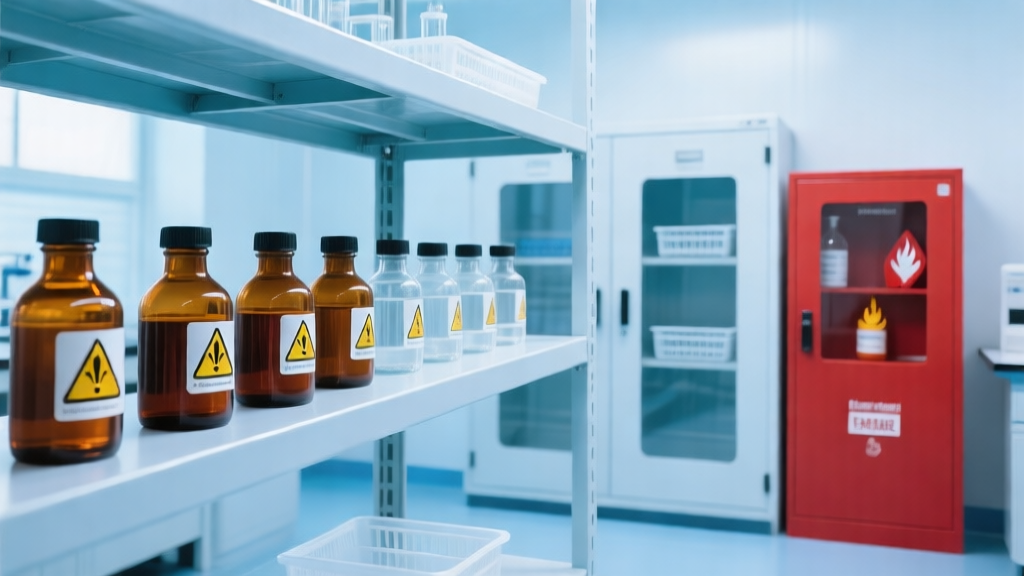
The single most important rule in chemical storage is incompatibility segregation. Storing incompatible chemicals together is a leading cause of lab fires and toxic gas releases. Follow this segregation matrix:
| Chemical Class | Store With | Never Store With |
|---|---|---|
| Flammable solvents (acetone, ethanol, hexane) | Other flammables in fire-rated cabinets | Oxidizers, acids, peroxides |
| Acids (HCl, H₂SO₄, HNO₃) | Separate acid cabinet (nitric acid isolated) | Bases, metals, cyanides, sulfides |
| Bases (NaOH, KOH, ammonia) | Separate base cabinet | Acids, metals, organic peroxides |
| Oxidizers (nitrates, permanganates, H₂O₂) | Dedicated oxidizer storage | Flammables, organics, reducing agents |
| Toxics and carcinogens | Locked, ventilated, labelled storage | Food/drink areas, open benchtops |
| Water-reactive (Na, K, LiAlH₄) | Dry, airtight, under inert conditions | Water, aqueous solutions, humid areas |
Maintain a live chemical inventory with a Safety Data Sheet (SDS) for every substance. Review the inventory at least annually: dispose of expired or unwanted chemicals, and verify that quantities stored are within regulatory limits (e.g., hazardous substances licence thresholds under NEA's Environmental Protection and Management Act).
Correct segregation at the point of generation is the foundation of compliant waste management. In Singapore, waste streams are classified as:
| Waste Type | Examples | Container |
|---|---|---|
| Chemical waste | Spent solvents, acid/base solutions, heavy metal solutions | Compatible leak-proof containers with tight lids |
| Biomedical waste | Culture plates, contaminated tips, biological specimens | Yellow biohazard bags / rigid bins |
| Sharps | Needles, blades, broken glass | Puncture-proof sharps containers |
| Radioactive waste | Contaminated vials, filters, gloves | Shielded, clearly labelled containers |
| General waste | Paper, clean packaging | Standard bins |
Chemical and biomedical waste in Singapore must be collected and treated by NEA-licensed waste collectors. Key requirements:
Waste prevention starts at the source: buy only what you need, share bulk reagents across labs, and choose suppliers with smaller packaging options. A waste-minimisation policy reduces both cost and environmental footprint.
| Task | Additional PPE |
|---|---|
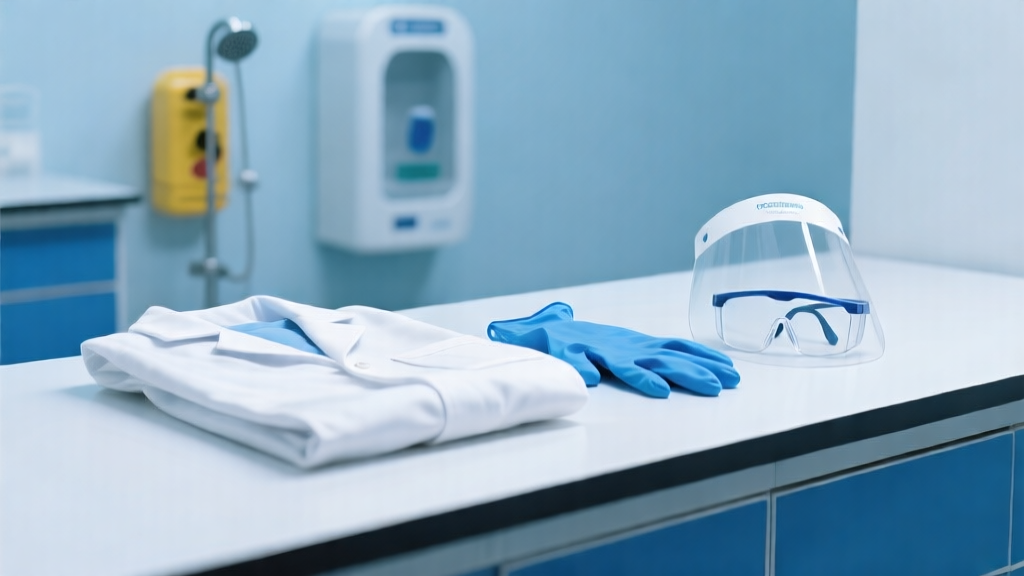
| Handling concentrated acids/bases | Face shield, chemical-resistant apron, elbow-length gloves |
| Working with volatile solvents | Chemical splash goggles, vapor respirator (if above OEL) |
| Handling carcinogens (e.g., ethidium bromide, formaldehyde) | Dedicated PPE, hood work, gloves + arm covers, change gloves frequently |
| Cryogenic work (LN₂) | Cryo gloves, face shield, closed lab coat |
| Biological work (BSL-2+) | Disposable gown, double gloves, face shield per biosafety level |
Know the location of fire alarms, extinguishers, and evacuation routes. Match extinguisher type to fire class: water (Class A), CO₂ or dry chemical (Class B/C), and use fire blankets for clothing fires. In Singapore, labs must comply with SCDF fire safety requirements, including emergency lighting and signage.
Every lab should have a spill kit containing absorbents, neutralisers, gloves, goggles, bags, and a spill procedure card — placed prominently and restocked after use.
Eyewash stations and safety showers must be tested weekly and within 10 seconds' travel from chemical work areas.
Assign a named laboratory safety officer responsible for risk assessments, inspections, training, and incident reporting. Conduct annual safety audits and update the chemical register and emergency plans accordingly.
Chemicals must be segregated by compatibility class: flammables in approved fire-rated cabinets, acids separate from bases, oxidizers separate from flammables and organics, and toxics in locked ventilated storage. Use secondary containment trays, label everything with GHS pictograms, and keep an up-to-date chemical inventory with SDS for each substance.
Singapore's NEA requires hazardous waste (chemical, biomedical, and radioactive) to be segregated, labelled, and collected by licensed waste collectors for treatment at approved facilities. Sharps go in puncture-proof containers, liquid chemical waste in compatible leak-proof containers, and biomedical waste in yellow biohazard bags. Laboratories must keep waste manifests for at least 3 years.
Minimum PPE includes a laboratory coat (flame-resistant for chemical work), safety glasses or goggles, and nitrile gloves (select grade per chemical compatibility). Additional PPE — face shields, chemical-resistant aprons, respirators — is required for high-risk procedures such as handling corrosives, carcinogens, or volatile solvents. PPE must be removed before leaving the lab.
A lab emergency plan should cover fire (alarm, extinguisher types, evacuation routes), chemical spills (spill kit contents and clean-up procedure), personal exposure (eyewash and safety shower use), and first aid. Every lab member must know the location of safety equipment and the assembly point, and drills should be conducted regularly.
JW RESEARCH SUPPLY provides a full range of laboratory safety products in Singapore — safety cabinets, spill kits, PPE (gloves, goggles, lab coats), waste containers, and GHS-compliant labels — with fast local delivery. Contact us at +65 8039 3660 or singapore@jwshy.com for a safety supplies checklist tailored to your lab.
Contact JW RESEARCH SUPPLY Singapore
📞 +65 8039 3660
✉️ singapore@jwshy.com
🌐 www.jwresearch.cn